

Medical advances in dentistry during recent times have introduced safer treatment options that enhance appearance while providing biological compatibility for patients. One of the leading revolutionary changes occurred through dentistry that no longer depends on metal elements. The absence of traditional metal-based materials in dental treatments through the metal-free approach provides multiple advantages to patients that include both cosmetic enhancements and better compatibility with the body. This comprehensive blog guide provides you with an overview of metal-free dentistry, including its concept, benefits, and how this treatment is ideal for patients.
Understanding Metal-Free Dentistry
Metal-free dentistry means using non-metallic products for dental treatments and replacements. Metal-based fillings, crowns, and bridges made of materials including amalgam, gold, and other alloys are all part of traditional dental treatments. On the other hand, this approach makes use of materials like ceramic, zirconia, composite resin, and porcelain to produce dental restorations that are more aesthetically pleasing and more safe.
Patients looking for biocompatible and cosmetically excellent choices could find these materials to be an excellent substitute, since they have been precisely engineered to have the same strength and longevity as metal restorations.
Benefits of Metal-Free Dentistry
1. Enhanced Aesthetics
One of the most appealing aspects is its superior aesthetics. Traditional metal restorations, such as silver amalgam fillings or gold crowns, can be conspicuous and often create an unnatural appearance. In contrast, ceramic and composite materials blend seamlessly with the natural color of your teeth, ensuring a more natural-looking smile.
2. Biocompatibility and Safety
Many patients have concerns about the potential health risks associated with metal-based dental restorations. Amalgam fillings, for example, contain mercury, which has been a topic of debate regarding its potential long-term effects. Metal-free materials like ceramic and zirconia are biocompatible, meaning they are less likely to cause allergic reactions or adverse health effects.
3. Reduced Sensitivity and Discomfort
Metal dental restorations can sometimes lead to sensitivity issues, particularly when consuming hot or cold foods and beverages. This occurs because metals conduct heat and cold more efficiently than natural tooth enamel. Metal-free alternatives, such as composite or ceramic fillings, do not conduct temperature changes as quickly, reducing tooth sensitivity and discomfort.
4. Durability and Strength
Advancements in dental materials have made metal-free dentistry options just as durable as their metal counterparts. Zirconia, in particular, is known for its exceptional strength and longevity. It is highly resistant to wear and fractures, making it an excellent choice for crowns, bridges, and implants.
5. Minimized Risk of Corrosion and Discoloration
Metal-based restorations can corrode over time, leading to discoloration and potential weakening of the restoration. This is not an issue with ceramic or composite materials, as they do not oxidize or tarnish over time.
6. Holistic and Mercury-Free Dentistry
Many people today are turning to holistic and mercury-free dentistry as part of their overall wellness approach. This dentistry aligns with these values by eliminating mercury-containing amalgam fillings and focusing on materials that are non-toxic and biocompatible.
Common Metal-Free Dental Procedures
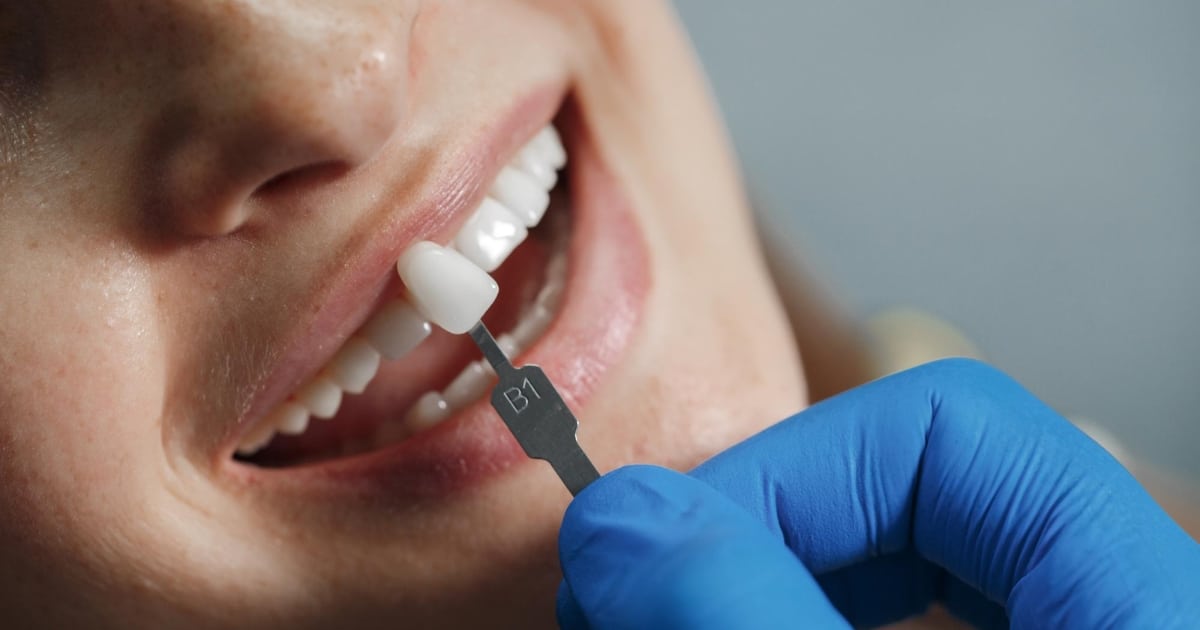
- Ceramic or Zirconia Crowns and Bridges – These restorations provide excellent strength and aesthetics while avoiding the drawbacks of metal-based options.
- Composite Fillings – Instead of silver amalgam, composite resin fillings blend with your natural tooth color and eliminate exposure to metals.
- Porcelain Veneers – These are thin shells placed over the front of teeth to improve appearance without the need for metal.
- Zirconia Dental Implants – An alternative to traditional titanium implants, zirconia implants are completely metal-free and biocompatible.
- Inlays and Onlays – These restorations repair damaged teeth without relying on metal materials.
Is Metal-Free Dentistry Right for You?
It is an excellent option for many patients, particularly those who:
- Prefer a natural-looking smile.
- Have metal allergies or sensitivities.
- Are concerned about the potential health risks of metal restorations.
- Want to adopt a more holistic approach to dental care.
- Experience discomfort or sensitivity with metal restorations.
Why Should You Trust Renew Wellness Dentistry?
Metal-free dentistry at Renew Wellness Dentistry offers a holistic and biocompatible approach to dental care, prioritizing your overall health and well-being. By using advanced materials such as ceramic, zirconia, and composite resin, their treatments provide durable, aesthetically pleasing, and non-toxic alternatives to traditional metal-based restorations. Whether you need fillings, crowns, bridges, or dental implants, their metal-free dentistry solutions eliminate concerns about metal allergies, mercury exposure, and sensitivity while enhancing the natural beauty of your smile. With a focus on patient-centered care, we ensure that every treatment supports both oral health and whole-body wellness.
Conclusion
As dental technology advances, metal-free dentistry is becoming an increasingly popular choice for individuals seeking safer, more aesthetically pleasing, and biocompatible dental treatments. Whether you need a filling, crown, bridge, or dental implant, opting for metal-free alternatives can offer significant benefits in terms of aesthetics, safety, and overall oral health. If you are considering dental work, consult with your dentist to explore metal-free options that best suit your needs and ensure a healthier, more confident smile.